

Harput Music and the Sound of Kürsübaşı Nights
When evening falls on the Harput plateau, the lights of the provincial centre spread across the plain below and the quiet of the old town sets in. That quiet is where a musical tradition grew over centuries.

Sign in to like and rate
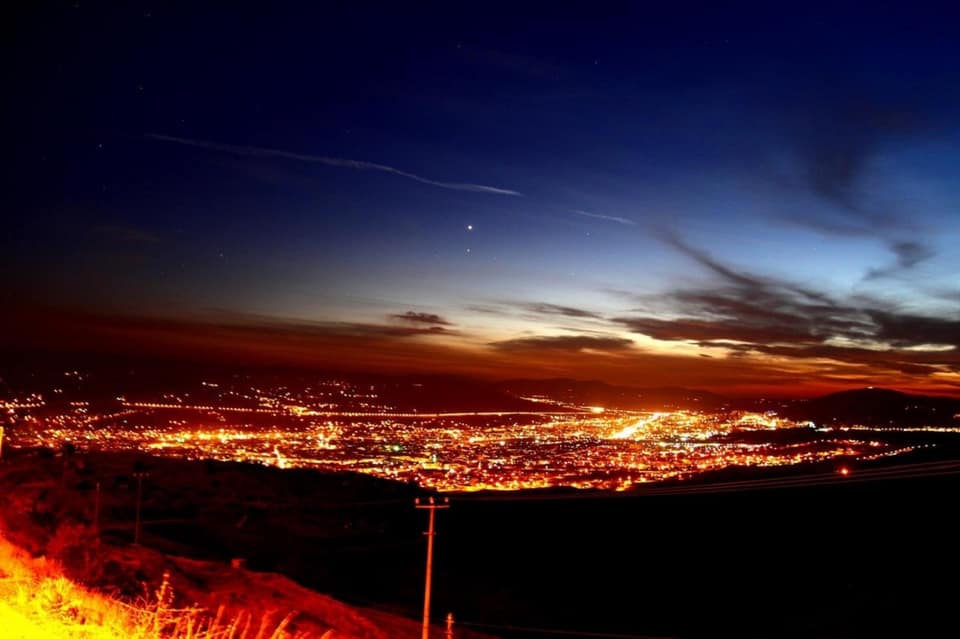
When evening falls on the Harput plateau, the lights of the provincial centre spread across the plain below and the quiet of the old town sets in. That quiet is where a musical tradition grew over centuries. Elazığ-Harput music is known today for folk songs sung all over Türkiye, but its real character took shape on winter nights, in gatherings held in the large rooms of houses. This article reads that music the way official sources and academic studies describe it. We look first at what kind of music it is, then at the order of the fasıl and its makams, then at the kürsübaşı tradition and the folk dances. At the end there are a few notes on where a visitor to Elazığ can hear this sound today.
A music that resists classification
The Elazığ Provincial Directorate of Culture and Tourism writes that it is hard to place Harput music in any of the familiar categories of Turkish music. Most of the pieces are anonymous in both lyrics and melody, which brings them close to folk music. On the other hand they are performed with classical instruments and within a set order of makams, which brings them close to art music. The directorate therefore defines Harput music as a special music that carries elements of both traditions and brings together the taste of divan poetry and folk literature.
A large share of the lyrics comes from divan poetry. According to the directorate, the words of most of the Harput folk songs and uzun hava pieces that are loved today were taken from the works of poets such as Fuzuli, Nedim and Nevres. These compositions were heard and enjoyed not only by educated people trained in the madrasas but also by craftsmen and ordinary people of Harput. In the old town one could hear elezber, hoyrat and maya songs on everyone's lips, around the kürsü in winter and in gardens and at the kayabaşı spots in spring and summer.
The size of the repertoire is also striking. The directorate puts the number of local folk songs and uzun hava pieces that could be documented at around two hundred and adds that the real number is much higher. The same source notes that in almost every village and at every meşk gathering one may come across a piece never heard before, but that not enough work has been done to make these pieces widely known. Many of the songs tell of events that happened in the region or arose in their aftermath.
The order of the fasıl and the geçki
Harput music is performed within the fasıl tradition. In the directorate's account a fasıl usually opens with the Harput peşrev, also known as paşa göçü. Suitable folk songs and uzun hava pieces follow, lively songs are scattered among the uzun hava pieces, and the fasıl closes in this way. The move from one makam to another is made with the geçki instrumental passage. Every makam has its own gazel, and after the gazel the performers move on to songs in the same makam. Then, as the instruments take up the rhythm, the hoyrat songs called kayabaşı and bağrı yanık are sung, and after the hoyrats the fasıl moves on to lively dance songs.
The city guide of Elazığ Municipality describes the last part of this flow as well. Kayabaşı and hoyrat songs are melodies sung in a steep, high register that seem to echo from mountain to mountain. After them, accompanied by the instruments, singers and listeners together, as a chorus, move on to the lively songs called şıkıltım. During this part or right after it, men's or women's dances suited to the same makam are performed. In this way the fasıl turns from music that is listened to into a celebration in which everyone takes part.
The directorate writes that in the past, while Harput songs were being sung, classical Turkish music pieces in the same makam were also added in between. This detail shows how closely the two musical worlds lived side by side in Harput. In rhythmic structure the main usuls of two, three and four beats dominate, and there are also pieces that start in a main usul and continue in different ones. According to the directorate, singing these pieces properly requires a command of the Harput dialect and of the regional vocal style.
Makams and local names
The most debated subject in Harput music is its makams. The sources list structures known by names specific to Elazığ, such as müstezat, beşiri, ibrahimiye, hoyrat, şirvan, divan, elezber, tecnis, nevruz, versak, sabahi and muhalif. The directorate also notes that some of them correspond to makams of Turkish music: beşiri corresponds to rast, versak to hicaz, nevruz to karcığar, muhalif to hüzzam and ibrahimiye to neva.
Academic studies take a closer look at this question. A study by Ozan Daş and Türker Eroğlu published in 2024 in the International Journal of Quality in Education compares the makam lists of local researchers and examines, in notation, the piece called ibrahimiye gazel. The authors show that the makam structure of the piece is the uşşak makam of Turkish music. Their conclusion is an interesting one: the structures called Elazığ-Harput makams in the sources are not separate makams but styles of delivery specific to the region. The same study records that structures such as beşiri, şirvan, nevruz, divan, tecnis, müstezat, ibrahimiye, versak, muhalif and elezber are frequently performed in the region in the uzun hava form.
This debate does not lessen the value of Harput music; on the contrary, it opens a way to understand it. As the directorate also stresses, knowledge of makams alone is not enough to understand this music; one must also know the culture and the dialect of the region. The same melody takes on a different colour when it is sung in the Harput manner than when it is sung somewhere else.
The kürsübaşı tradition
The setting most often linked with Harput music is the kürsübaşı. An article by Erkam Cömert published in 2025 in the International Journal of Humanities and Art Researches tells the history of the tradition, drawing on local researchers. In traditional Harput houses a four-legged, square wooden frame called the kürsü was placed in the middle of the room. It was about fifty to sixty centimetres high and could vary in width like a table. A brazier made of straw and mud was set under the kürsü, its embers were covered with ash, and large quilts were spread over the kürsü. Divans were placed on two sides of the kürsü and cushions on the other two, and those sitting there stretched their legs under the quilt.
According to the article, the kürsübaşı was not just a way of keeping warm but a broad social gathering. Everyday matters were discussed, problems were shared, joys were celebrated together, and the night ended with music. Matters such as helping the poorer households of the neighbourhood or reconciling people who had fallen out were also taken up at these meetings. The gathering followed a set order: the most senior person led the assembly, people spoke in order of age and everyone had a fixed place to sit. The middle generation played the games and performed the music, while the young served coffee. Meetings held in the large rooms called sofa in winter moved to the edges of pools and into gardens in summer.
The tradition changed over time. The performers interviewed in the article explain that as heating improved and stoves spread, the custom of setting up a kürsü came to an end in the second half of the twentieth century. Today the kürsü no longer stands at the centre of the meetings but remains as a symbol; the author sums this up as the kürsübaşı without a kürsü. The gatherings are now held in homes, in culture and music associations, at henna nights, at weddings and in television programmes. Carpets hung on the walls, cushioned divans and copper trays try to recreate the old atmosphere. According to the participants, games, riddles and solidarity used to come first, while today the performance of music has become the main focus of the meeting.
Çayda Çıra and the folk dances
The dances performed at the end of a fasıl are part of Harput music. The municipality's city guide places the dances of Elazığ within the halay region but finds them slower and more graceful than the other dances of that region. According to the guide, the reason for this difference is that the music leans towards art music and is played on classical instruments. The general character of Elazığ dances is described as gently firm; men's dances are somewhat firmer and women's dances softer. Of nearly sixty dances, around twenty to twenty-five are still alive today.
The best known is Çayda Çıra. Collected in Harput, it is danced with candles set in the plates the dancers hold and, in the guide's words, is known around the world as the candle dance. One of the legends told about its origin is set in a village on the shore of Lake Hazar: the way of two young people meeting at night is lit by a torch of resinous wood lit by the girl, and the story turns into a dance through the torches in the villagers' hands. The guide records another account as well and notes that these legends are variants of stories told in other cities. The dance is performed at weddings and on holidays.
The guide describes other dances too. Avreş, which comes from Harput and is performed when soldiers are sent off, imitates military movements. The Harput Halay has variants danced under different names in Palu, Ağın, Baskil and Sivrice. The knife dance collected in Hankendi is performed with two knives in each dancer's hands, and Delilo is a dance with its own song. According to the guide, the zurna used to be the main instrument at weddings, and today the dance music is mostly played on drum and clarinet.
Where to hear it today
The easiest way to hear Harput music today is still to come across a gathering, a concert or a wedding. As Cömert's article shows, the kürsübaşı tradition lives on through associations and culture houses. City guides and the event announcements of the provincial directorate of culture and tourism are a good starting point for evenings devoted to regional music; check current dates on the official websites.
Anyone who wants to see the place where this music was born should go up to Harput. According to GoTürkiye's description, the Şefik Gül Culture House in Harput is a mansion arranged as a museum house to show traditional Harput house architecture and way of life on site. Standing in the sofa of such a house and picturing a kürsü set up in the middle of the room with divans around it brings the nights described in the texts before your eyes. Looking out over the plain from the castle side in the late afternoon is good preparation too, because many of these songs were sung within that landscape.
While listening, you can pay attention to a few things. Notice how a song in the same makam begins after a gazel, how the instruments take up the rhythm and lead into a hoyrat, and how the evening ends with a lively song in which everyone joins. Listen to the high register of the uzun hava pieces, the language of divan poetry in the lyrics and the distinctive delivery of the Harput dialect. Perhaps that night you will hear a melody that has never been recorded; as the directorate says, in Harput this is still possible.
Sources
- Elazığ Provincial Directorate of Culture and Tourism, Harput Musikisi, https://elazig.ktb.gov.tr/TR-245748/harput-musikisi.html
- Elazığ Municipality, City Guide, Music and Folklore, https://www.elazig.bel.tr/kent-rehberi/musiki-folklor/231/
- Governorship of Elazığ, Culture and Folklore, https://www.elazig.gov.tr/kultur-folklor
- Erkam Cömert, Change and Transformation of Kürsübaşı Chat Meetings in Elazığ-Harput Region, International Journal of Humanities and Art Researches, 2025, https://dergipark.org.tr/tr/pub/ijhar/article/1668201
- Ozan Daş and Türker Eroğlu, The Issue of Makam in Elazığ-Harput Music, International Journal of Quality in Education, 2024, https://dergipark.org.tr/en/download/article-file/3959543
- GoTürkiye, Elazığ, Places to See, https://elazig.goturkiye.com/see
Comments
Be the first to comment