

Gemlik Olives, from the Gulf Shore to the Breakfast Table
If there are black olives on a breakfast table in Bursa, they are most likely olives named after a town on a gulf.
 Radar Türkiye24 Kasım 2026
Sign in to like and rate
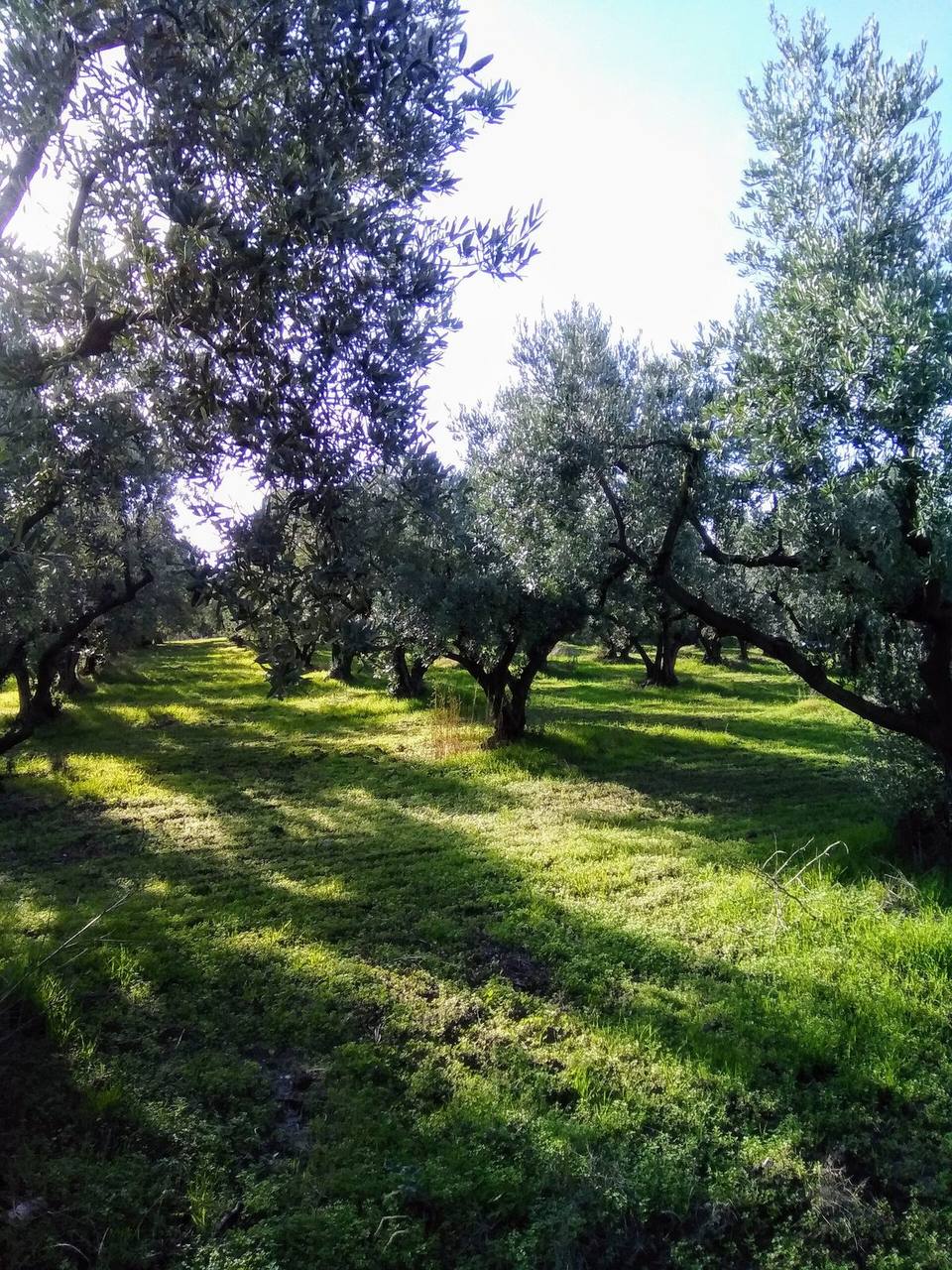
If there are black olives on a breakfast table in Bursa, they are most likely olives named after a town on a gulf. The Gemlik olive is a table olive grown and processed in four districts on the southern shore of the Marmara, and in 2023 it was registered in the European Union as a protected designation of origin.
Four districts, one olive
The name Gemlik olive does not cover the town of Gemlik alone. According to the single document published in the Official Journal of the European Union, the geographical area consists of the Gemlik, İznik, Mudanya and Orhangazi districts of Bursa. Gemlik and Mudanya face sheltered bays, while Orhangazi and İznik are both close to the gulf and settled around the lake. The document states that this proximity gives similar qualities to the olives grown and processed in the four districts. According to the same document, more than 60 percent of the total agricultural land in these four districts is used for olive growing.
The olive itself is also tied to specific varieties. Gemlik olives are produced only from the ripe fruits of the Gemlik, Gemlik 21 and Gemlik 27 varieties of Olea europaea; other varieties mixed in during the harvest may not exceed 5 percent. Visit Bursa's page on olive culture notes that olives are also grown in Karacabey in the province, and that the olive harvest in Bursa begins in October.
Thin skin, thick flesh
The single document defines the Gemlik olive as a table olive processed whole. Its colour ranges from claret red to dark brown and black. Its skin is thin and adheres firmly to the flesh; the flesh is thick and the stone is small and roundish. The weight ratio of flesh to stone is between 6 to 1 and 7 to 1, and the flesh separates easily from the stone. The fruit is small to medium in size; a kilogram contains between 201 and 410 olives. Its oil content is between 28 and 35 percent.
Processed olives are graded by the number of fruits per kilogram. According to the document, 201-230 olives per kilogram are called XL, 231-260 L, 261-290 M, 291-320 S, 321-350 XS, 351-380 2XS and 381-410 3XS. The letters on the package therefore tell you directly how large the olives are.
Another feature the document underlines is how the olive feels in the mouth. Because the skin is thin and clings to the flesh, it is not felt in the mouth when the olive is eaten. The document links this to the climate: in warmer regions the olive thickens its skin to protect itself from high temperatures, whereas the cooler growing season of Gemlik and its surroundings preserves the thin skin.
A climate between the Mediterranean and the Black Sea
The single document describes Bursa's transitional climate as a corridor combining the features of the Mediterranean and Black Sea climates. In the geographical area the average minimum daily temperature is 5.8 degrees in January and 6.8 degrees in February; these values suit the chilling period needed for the flower buds to form. The lowest average is 16.9 degrees in May, the flowering period, and 21.1 degrees in the fruit ripening period. The document also notes that the olive is damaged when the minimum daily temperature falls below minus 7 degrees.
Rainfall shapes the crop as well. According to the document, rainfall in April affects the yield, while rainfall in September affects the size and oil content of the olives. The soil is 63 percent clay loam, 20 percent loam and 17 percent clay. The deep black colour of the Gemlik olive is also related to temperature: the optimum daytime temperature for forming the pigment anthocyanin is 25-30 degrees, and above 30-35 degrees this formation slows down.
Olives for the palace and the navy
The reputation of the olives of Gemlik and Mudanya is old. The single document states that research in the Ottoman archives established that olives were supplied from these districts to the navy and the palace. The archives hold 107 records for Gemlik, 86 for Mudanya, 13 for Orhangazi and 11 for İznik. The processing method has become as closely identified with the region as the olive itself; the document notes that this method is known as Gemlik style processing.
Brine and sele
Gemlik olives are processed by two methods, and neither uses alkaline treatment; the olives ferment naturally. In the brine method described in detail in the document, the olives are harvested when the flesh has turned purple to a depth of 2 millimetres towards the stone. After size grading, sorting and washing, the olives are placed in concrete pools or tanks. Drinking water equal to 12 percent of the olive weight is added, and the salt content of the brine is kept between 8 and 14 percent. To keep the olives submerged, they are covered with boards and pressed down with heavy stones weighing 10 to 25 percent of the olive weight. Debittered by the high osmotic pressure created by the salt, the olives become ready to eat in 6-9 months. With aerated fermentation this period falls to about 5 months. The salinity in the tanks is checked every 2-3 days. One aim of this practice is to obtain the shape, slightly flattened on both sides, that consumers particularly prefer.
The sele method uses no water. The washed and graded olives are placed in containers in alternating layers with salt equal to 10 to 14 percent of the olive weight. The containers are turned and rolled every 2-3 days so that the salt penetrates the fruit; this stage lasts at least 3-4 months. Once debittered, the skin of sele olives becomes visibly wrinkled. The document defines dry sele, prepared with salt alone, separately from oily sele, to which corn or sunflower oil equal to 3-5 percent of the olive weight is added in the package. If you see wrinkled, matte olives at breakfast, you have probably met the sele method; if you see olives with smooth, glossy skins, you have probably met the brine method.
Where science looks
Gemlik style processing is also the subject of academic research. A doctoral thesis completed at Bursa Uludağ University in 2024 compares olives from Gemlik, İznik, Orhangazi and Mudanya, as well as from Erdek and Akhisar, using samples processed by the classic brine method and by the caustic method. According to the thesis abstract, the main phenolic compound in the olives is hydroxytyrosol; the loss of phenolic compounds is greater with the caustic method than with the classic method. Higher amounts of phenolic and aroma compounds were found in samples taken from the pools of local producers.
Registration and the label
The European Union application for the Gemlik olive is dated 10 July 2020. The application was published in the Official Journal of the European Union on 28 February 2023, and since no opposition was received, the name was registered by Implementing Regulation 2023/1166 of 9 June 2023. According to the Turkish Patent and Trademark Office announcement of 17 June 2023, the Gemlik olive is the 12th Turkish geographical indication to be protected in the European Union.
The single document also sets rules for the label. The package must carry the name Gemlik Zeytini, the name and address or registered trademark of the producer, the European Union protected designation of origin logo, and an authenticity label with a hologram, a logo and a QR code. When buying olives, checking these marks is the easiest way to know that the product comes from the registered area.
Seeing olive culture in Bursa
Visit Bursa explains that the culture of olives and olive oil has also influenced traditional house architecture. On the ground floors of houses in the region there are rooms called stores or cellars where olives and olive oil are kept, as well as olive wells. According to the same page, with the harvest that begins in October, pressed, scored, cracked, brined and sele olives are prepared in baskets.
The best time to see this landscape is autumn. On the roads from Bursa to Gemlik, and from there along the gulf shore to Mudanya or via Orhangazi to İznik, you pass through olive groves covering the hillsides. During the harvest, respect the growers working in the orchards, do not pick fruit from the trees without permission and do not enter private land. If you want to buy olives locally, you can choose the sales points of cooperatives and producer unions and check the registration marks on the package.
When you sit down to breakfast one morning in Bursa, look a little more carefully at the small black olive on your plate. With its thin skin, thick flesh and slightly bitter taste, that single olive holds the story of the cool air blowing in from the gulf, the records in the Ottoman archives and the pools where olives wait for months in salt.
Sources
- Avrupa Birliği Resmi Gazetesi, C 72/54, 28.2.2023, Gemlik Zeytini tek belgesi (PDO-TR-02618), https://eur-lex.europa.eu/legal-content/EN/TXT/HTML/?uri=uriserv:OJ.C_.2023.072.01.0054.01.ENG
- Avrupa Komisyonu Uygulama Tüzüğü (AB) 2023/1166, Gemlik Zeytini (KMA) tescili, https://eur-lex.europa.eu/eli/reg_impl/2023/1166/oj/eng
- Türk Patent ve Marka Kurumu, Gemlik Zeytini Have Been Officially Registered by The European Union, https://www.turkpatent.gov.tr/en/news/gemlik-zeytini-have-been-officially-registered-by-the-european-union
- Bursa Büyükşehir Belediyesi, Visit Bursa, Zeytin ve Zeytinyağı Kültürü, https://www.visitbursa.org/blog/somut-olmayan-kulturel-miras-14/zeytin-ve-zeytinyagi-kulturu-4
- Demir, C., Gemlik Tipi Sofralık Siyah Zeytinlerde Doğallığın Araştırılması, doktora tezi, Bursa Uludağ Üniversitesi, 2024, https://acikerisim.uludag.edu.tr/items/53edc655-d1b6-423d-827a-cd596c5804ee
Comments
Be the first to comment