

From Malay to Cadi, Corn Flour in the Kitchens of Kartepe
Six forms of one flour Kartepe first brings to mind the forests of the Samanlı Mountains, the streams of Maşukiye and skiing in winter.
 Radar TürkiyeNovember 24, 2026
Sign in to like and rate
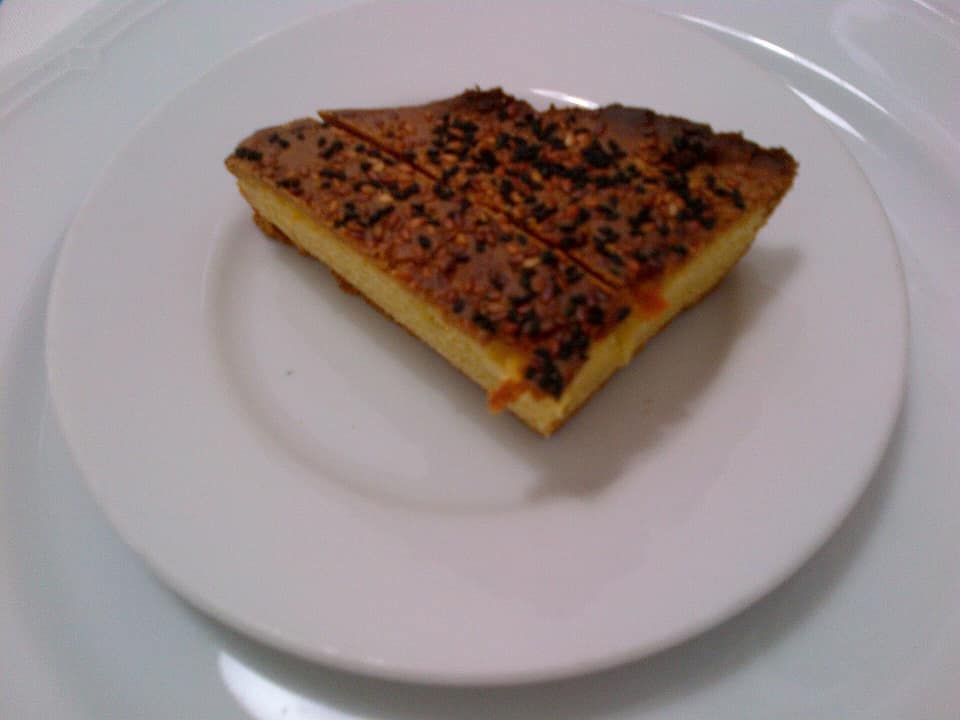
Six forms of one flour
Kartepe first brings to mind the forests of the Samanlı Mountains, the streams of Maşukiye and skiing in winter. In the kitchens of the villages on these slopes, however, there is a quiet shared ingredient: corn flour. Ersin Uğurkan and Ömür Alyakut of Kocaeli University's Kartepe Vocational School of Tourism studied how corn flour turns into different dishes in the kitchens of families of different cultural origins in the district. Their study, published in the journal Folklor/Edebiyat, shows that the same flour becomes a porridge topped with dartı in one house, a flatbread baked between vine leaves in another, and a bread baked in stone moulds in a third. The best way to get to know Kartepe's corn flour table is to follow in the footsteps of that research.
A district built by migration
According to the researchers, Kartepe's population resembles a mosaic because of migration. The first migrations to the district began in 1864 with Circassian (Adyghe) and Abkhaz families. A second wave came with the Ottoman Russian War of 1877 to 1878, from the North Caucasus and from the Adjara region of Georgia. With the Balkan Wars, Turkish muhacir migrants from Rumelia settled in the district in 1912 and 1913. The Manavs, the locals of the region, and the Laz who came from the Black Sea complete the picture. The Kocaeli Mutfağı book published by the Kocaeli Metropolitan Municipality in 2023 likewise defines the province's cuisine not as coming from a single source but as a shared tradition born from the interaction of the eating habits of many cultural groups, from Manavs to Georgians and from Abkhaz to Bosniaks.
The study was carried out in eight neighbourhoods of the district: Maşukiye, Derbent, Suadiye, Uzuntarla, Eşme, Şirinsulhiye, Karatepe and Ketenciler. Face to face interviews were held with twenty four women aged 50 and over, four from each cultural group. The average age of the interviewees was 64. The researchers asked each group which corn flour dish it identified with and which detail set that dish apart from its neighbours' versions. The resulting list shows how Kartepe carries six separate kitchens at one table.
The malay of the Manavs
The dish the Manav women pointed to as their own is malay, also known locally as buğday mala. The recipe is simple: corn flour is poured into boiling water and stirred constantly. When the porridge reaches a dough like consistency and no longer sticks to the wooden spoon, it is done; it is spooned onto a tray and dartı is poured over it. All the women interviewed said that what distinguishes malay from its neighbours is the dartı. The Kocaeli Mutfağı book gives the same dish under the name dartılı malak: two and a half glasses of corn flour are slowly added to two litres of water, cooked while stirring until it reaches the consistency of a firm pudding, and heated dartı is drizzled over it. The book's kitchen glossary defines malay as a dish made from corn flour, with milk and dartı.
Dartı is the key to this table. According to the book, the fatty layer that gathers on top of milk is called çiğce or ciğce locally. Çiğce is cooked and browned until it becomes dark brown and grainy; as it stands, yellow fat separates on top and a brown sediment settles at the bottom. This part is called dartı. Kandıra Dartısı was registered as a geographical indication of source on 6 May 2022 in the name of the Kocaeli Provincial Directorate of Culture and Tourism. The researchers also note that malay and dartı are being forgotten among the young.
The mıhlama and corn bread of the Laz
Laz women describe their cuisine through three dishes: mıhlama, kuymak and corn bread. According to the study, those who migrated from Trabzon and its surroundings call this dish kuymak, while those from Rize and its surroundings call it mıhlama. Kuymak has more corn flour, while mıhlama is richer in cheese and butter. In the recipe the women gave, corn flour is browned in butter, string cheese is added and it is cooked while being stirred with a wooden spoon. Among the Laz, corn bread is as precious as wheat bread. One striking finding of the study is that the most visible corn flour dishes in Kartepe's local restaurants come from Laz cuisine, with mıhlama and kuymak requested at breakfasts.
The kaçamak and loznik of the muhacirs
For muhacir families who came from Bulgaria, the name of corn flour is kaçamak. It is made in a similar way to malay, but it has its own tools: the kaçamak rolling pin and the kaçamak pot. Kaçamak is eaten sweet or savoury depending on the sauce added. Molasses goes into the sweet version, cream or boiled potatoes into the savoury one. One of the women interviewed says that this rolling pin and pot are now hard to find.
The second dish of the muhacir kitchen is loznik. The researchers describe it as one of the important contributions of the Bulgarian muhacirs, especially the Pomaks, to Kocaeli cuisine, and state that it is still widely made in the village of Karatepe in Kartepe. Corn flour, yoghurt, oil, spring onion, mint, salt, a very little sugar and spices are mixed into a batter with the consistency of boza. Fresh vine leaves are spread on a tray, the batter is poured over them, and the top is covered again with fresh vine leaves before it is baked in a stone oven. The women who know loznik say that what sets it apart is the fresh vine leaf.
The walnut chicken and abısta of the Abkhaz
Abkhaz women explain that the dish widely known as Circassian chicken is called Abkhaz walnut chicken in their own cuisine. Walnuts are pounded in a traditional wooden mortar until their oil comes out, and the oil is set aside. The pounded walnuts, abısta, the Abkhaz chilli paste called pırpılıcıka, crushed garlic, coriander and basil are mixed in a bowl and brought to the consistency of boza by adding chicken stock little by little. Boiled chicken is shredded into this sauce, and the reserved walnut oil is drizzled into it and over it. What makes it distinctive is the abundance of walnuts, the wooden mortar and the pırpılıcıka.
Abısta, in turn, is the corn flour porridge of the Abkhaz table. Corn flour is poured into boiling water and stirred with a wooden spoon until it absorbs the water. The porridge is served with Abkhaz cheese placed between its layers.
The şıpsı paste and mamursa of the Adyghe
Circassian (Adyghe) women describe the counterpart of the same chicken dish in their cuisine as şıpsı paste and clearly separate it from the Abkhaz dish: şıpsı paste has no walnuts and more corn flour. Onion is fried in oil with the traditional Adyghe pepper paste, and corn flour porridge, chilli flakes and garlic are added. The mixture is brought to the consistency of boza with chicken stock, this sauce is placed in the middle of the tray and the boiled chicken is arranged in it or around it. The second corn flour dish of the Adyghe kitchen is mamursa. It is cooked like abısta, but once done its centre is opened and butter, Circassian cheese or şıpsı is placed inside. One of the women interviewed recalls that her mother was delighted when they brought her corn flour as a gift, because corn flour meant şıpsı paste and mamursa.
The cadi and lobyo pıhali of the Georgians
Georgian families who came from Adjara call corn bread cadi. Corn flour, yeast, salt and water are kneaded into a soft dough and left to rise. The risen dough is baked over embers in stone moulds called pileki. All the women say that what sets cadi apart from the others is the pileki. The second Georgian dish is lobyo pıhali: borlotti beans soaked in advance are boiled with chopped black cabbage, corn flour is added to the mixture and butter is poured over it. Borlotti beans and black cabbage are the signature of this dish.
What comes with it on the table
In Kocaeli's village cooking, wild greens hold a place as important as corn flour. The vegetable chapter of the Kocaeli Mutfağı book is full of recipes made with ılıştıra, efelek, mallow and various kinds of mancar. An ethnobotanical study carried out in İzmit recorded that the green known locally as karagöz mancarı, the name also used in the Kocaeli Mutfağı book, is Amaranthus hybridus, and that its leaves and young shoots are cooked for dishes and pastries. The same study notes that the leaves of the dock species known as efelek and mancar are used in dishes and stuffed leaves, while the wild parsley called kazayağı is cooked with rice and egg. The book also includes recipes such as gazayağı salad, gazayağı buried pastry and stuffed efelek. Gathering wild greens takes knowledge; rather than picking a plant you do not know, it is safest to look for these flavours in village markets and in local kitchens.
Following these flavours in Kartepe
One of the study's conclusions is that while dishes such as corn bread, kaçamak and mıhlama are well known, dishes such as malay and loznik are being forgotten. The women describe how they try to teach these flavours to the young. According to the study, mıhlama, kuymak and corn bread are easy to find at the breakfasts of Kartepe's local restaurants, while the others rarely appear on restaurant menus and mostly live on at family tables. The best way to get to know flavours such as malay, abısta or loznik is therefore the Kocaeli Mutfağı book, prepared by the Kocaeli Metropolitan Municipality as a cultural publication not for sale and readable on its website. The book guides those who want to try most of the recipes at home step by step. If you find yourself in Kartepe, asking about corn flour dishes and learning which kitchen a plate comes from is also the most enjoyable part of the trip.
Sources
- Uğurkan, E. ve Alyakut, Ö., Kültürel Çeşitliliğin Mısır Unu Kullanımına Etkisi, Kartepe Örneğinde Mısır Ununun Kimliksel Dönüşümü, Folklor/Edebiyat 26(101), 2020, https://dergipark.org.tr/tr/pub/fe/article/685302
- Kocaeli Büyükşehir Belediyesi, Kocaeli Mutfağı, 2023, https://www.kocaeli.bel.tr/webfiles/fotograf/yayinlar/211-kocaeli-mutfagi-yoresel-yemekler-20230802-092107-kocaelibel_yayinlar-KOCAELI_YEMEK_KITABI_web.pdf
- TÜRKPATENT Coğrafi İşaretler, Kandıra Dartısı, https://ci.turkpatent.gov.tr/cografi-isaretler/2446
- Kızılarslan, Ç. ve Özhatay, N., An ethnobotanical study of the useful and edible plants of İzmit, Marmara Pharmaceutical Journal 16, 2012, https://dergipark.org.tr/tr/pub/marupj/article/188290
Comments
Be the first to comment